Home › San Francisco Attractions › Fisherman’s Wharf › Dungeness Crab Stands
Crab Cauldrons, Cocktails & Working-Wharf History
Exploring the Historic Crab Stands at Fisherman’s Wharf
When you visit San Francisco’s Fisherman’s Wharf, the historic seafood stands are more than a convenient place to grab lunch. They are a surviving piece of the district’s working-waterfront story—a tradition built around steaming crab cauldrons, paper cups of fresh seafood, Italian-American fishing families and the annual arrival of Dungeness crab.
The classic Wharf experience includes far more than whole crab. Seafood cocktails, clam chowder, fried seafood, shrimp sandwiches and dishes inspired by generations of fishing families all grew around the harbor. To understand why these stands matter, it helps to start with the boats and the crabbers behind them.
A Glimpse Into Fisherman’s Wharf Crab History
Fisherman’s Wharf has been home to San Francisco’s fishing fleet for well over a century. Much of its public identity became tied to the annual Dungeness crab harvest.
Historically, the opening of crab season in mid-November was a major neighborhood event. Cauldrons along the Wharf were fired up for the first boxes of Dungeness crab arriving from the boats. The season was traditionally preceded by a religious procession and a priestly blessing of the fishing fleet.
Boat decks were piled with crab traps, and the first landings were watched closely by fishing families as an early indication of what the season might bring.
Important distinction: that mid-November opening is part of Fisherman’s Wharf history. Today, California’s commercial fishery is actively managed and can open weeks or months later depending on marine-life entanglement risk, domoic acid, crab quality and other conditions.
The Dungeness Crab: Fisherman’s Wharf’s Signature Seafood
Dungeness crab is prized for sweet, delicate meat and has long been one of Northern California’s signature foods.
Older Wharf histories describe a time when Dungeness crab was found throughout much of San Francisco Bay—from the Carquinez Strait to the sandy shorelines of Berkeley, Oakland and Alameda. As Bay ecology and crab habitat changed, commercial fishermen increasingly worked outside the Golden Gate and along the Pacific coast.
Historic Wharf accounts describe fishermen setting crab pots in ocean waters toward the Farallon Islands. Modern fishing grounds, allowable gear, depth limits and season rules are regulated by the California Department of Fish and Wildlife and can change during a season.
The Art of Crabbing: Pots, Bait & Buoys
Traditional Dungeness crab fishing uses baited wire traps, or pots. Older Wharf accounts describe them as roughly tire-shaped wire traps with bait jars inside.
- Bait the pot: Bait is placed inside to attract crab.
- Set the trap: The weighted pot is lowered to the ocean floor.
- Mark the location: A buoy painted with the vessel owner’s identifying colors marks each pot.
- Work a string of pots: Historic descriptions note that a single boat might deploy as many as 200 pots.
- Haul at dawn: Crews return to pull traps and sort the catch.
- Keep legal crab: Undersized animals are returned to the water.
Modern regulations can reduce trap numbers, limit depths or authorize alternative “pop-up” gear to reduce the risk of whales becoming entangled in vertical lines. That makes the fishery both a historic tradition and a modern conservation-management story.
How the Fisherman’s Wharf Crab Stands Began
Before Fisherman’s Wharf had the sidewalks, restaurants and visitor infrastructure people recognize today, fishermen were already serving crab close to the boats.
Historic Wharf accounts describe fishermen setting up cauldrons of boiling water right on the waterfront, cooking freshly caught crab and serving the meat in paper cups as crab cocktails. It was simple, practical and direct: working harbor turned into street food.
As Fisherman’s Wharf became a visitor destination, restaurants and seafood businesses grew around the same idea. Steaming crab cauldrons remained visible outside businesses, with attendants serving fresh-cooked crab meat cocktails and whole cooked crab.
Many dishes served around the Wharf were rooted in recipes from Italian fishing families and adapted in San Francisco homes. That connection between immigrant cooking and the working harbor is what separates the historic crab-stand tradition from a generic seafood market.
Historic & Current Crab-Stand Names
Older Fisherman’s Wharf visitor material has referenced crab stands and businesses including Crab Station, Guardino’s Crab Stand, Nick’s Lighthouse No. 5, Fishermen’s Grotto No. 9 and Sabella & La Torre. Business names and operators change, so treat older lists as part of the Wharf’s commercial history rather than a guaranteed current roster.
Sabella & La Torre remains an active Wharf business with roots in a small seafood stand opened by Luciano Sabella and his son Antone in 1927. The family business still operates an outdoor crab stand today.
What to Eat at the Crab Stands
Whole Dungeness Crab
The signature Wharf experience when Dungeness crab is available.
Crab Cocktail
A direct link to the earliest waterfront stand tradition: cooked crab meat served as a quick snack.
Shrimp Cocktail
Another classic cold-seafood option closely associated with old-school Wharf counters.
Clam Chowder
A modern Wharf favorite, often served with sourdough.
Fried Seafood
Calamari, fish and other quick-service seafood remain common options.
Seafood Sandwiches
Crab and shrimp sandwiches carry the stand tradition into an easy walking meal.
How to Visit the Historic Crab Stands
- Check the season: If local Dungeness crab is your priority, verify the current California commercial fishery status first.
- Ask what is local: Crab sold at the Wharf may come from different sources depending on season and availability.
- Look beyond one stand: Walk the central Wharf and compare seafood counters, menus and atmosphere.
- Try the old-school format: A crab or shrimp cocktail is the closest modern echo of the original paper-cup seafood tradition.
- Connect food with history: Walk the Historic Fishing Fleet before or after eating.
- Visit the Memorial Chapel: The Fishermen’s & Seamen’s Memorial Chapel adds a human dimension to the fishing story.
- Allow 20–45 minutes: That is enough for a quick stand visit; longer for a full seafood meal or busy weekend.
12 Fun Facts About Fisherman’s Wharf Crab Culture
- Dungeness crab is named for Dungeness, Washington.
- The species ranges along the Pacific Coast and became one of San Francisco’s signature seafoods.
- Historically, Fisherman’s Wharf celebrated the opening of crab season with steaming cauldrons.
- A priestly blessing of the fishing fleet traditionally preceded the season opening.
- Early fishermen sold cooked crab in paper cups before Fisherman’s Wharf had its later restaurants and sidewalks.
- The crab cocktail is therefore part of Wharf history, not just a tourist invention.
- Crab pots are baited traps set on the ocean floor and traditionally marked by distinctive surface buoys.
- Historic accounts describe boats deploying very large strings of pots.
- Undersized crab are returned to the water rather than kept.
- Modern California management can reduce traps or change gear rules to protect whales.
- The 2025–26 Central California commercial season opened January 5, 2026—not in mid-November.
- Sabella & La Torre traces its Wharf roots to a seafood stand opened in 1927 and still operates an outdoor crab stand.
Make the Crab Stands Part of a Fisherman’s Wharf Walk
The crab stands make much more sense when you connect them with the working harbor and other Wharf history.
See More of San Francisco From Fisherman’s Wharf
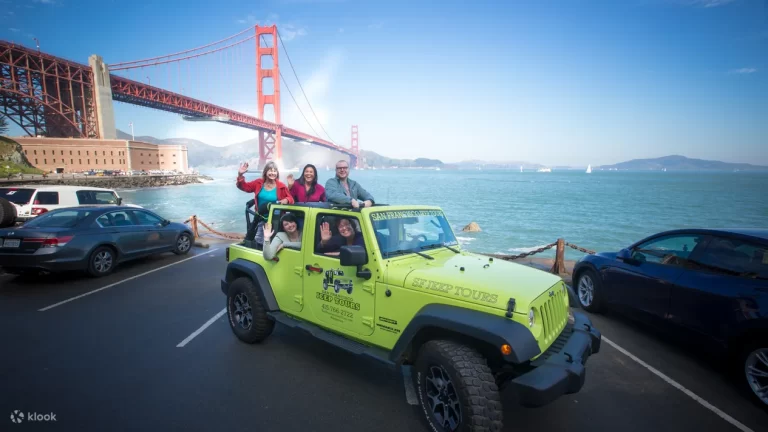
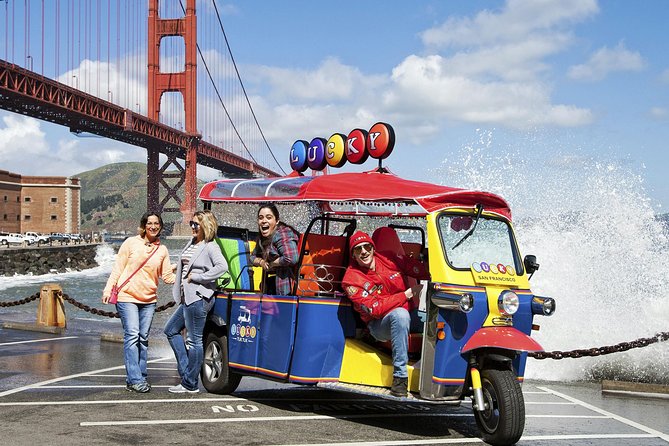
After the crab stands and waterfront, a private city tour can connect Fisherman’s Wharf with the Golden Gate Bridge, Presidio, Palace of Fine Arts and San Francisco neighborhoods.
Private San Francisco Jeep City Tour →
Frequently Asked Questions About Fisherman’s Wharf Crab Stands
Are the historic crab stands part of Fisherman’s Wharf?
Yes. Outdoor seafood stands and steaming crab cauldrons are one of the district’s defining food traditions and grew directly from the working fishing harbor.
Did Fisherman’s Wharf crab season traditionally open in mid-November?
Historically, mid-November was associated with the festive opening of commercial Dungeness crab season, including steaming cauldrons and the blessing of the fishing fleet. Modern opening dates can be delayed or changed by fishery managers, so mid-November should not be treated as a guaranteed current-season date.
When did the 2025–26 San Francisco-area commercial crab season open?
The Central California commercial Dungeness crab fishery opened January 5, 2026, after a delay. Current and future dates should always be checked with California fishery authorities.
Why can Dungeness crab season be delayed?
California uses active fishery management to reduce whale-entanglement risk and may also respond to domoic acid, crab quality and other conditions. Season dates and gear rules can therefore change.
How were Dungeness crabs traditionally caught?
Crabbers set baited wire pots on the ocean floor, marking them with colored buoys. Boats later return to haul the pots, keep legal-sized crab and return undersized animals to the water.
What is a crab cocktail?
At Fisherman’s Wharf, crab cocktail historically meant cooked crab meat served in a small cup for visitors—a simple waterfront snack that predates many of the district’s later restaurants.
What should I order at the crab stands?
When available, cracked Dungeness crab is the classic choice. Crab cocktails, shrimp cocktails, chowder, fried seafood and seafood sandwiches are also part of the Wharf tradition.
Is all crab sold at Fisherman’s Wharf locally caught?
Not necessarily. Availability and sourcing vary by season and vendor. Ask what is local, fresh and currently in season rather than assuming every crab was landed by the Wharf fleet.
Which historic crab-stand business is still operating?
Sabella & La Torre remains an active Fisherman’s Wharf seafood business and traces its origins to a small seafood stand opened in 1927. Its current operation still includes an outdoor crab stand.
What were some names associated with older Fisherman’s Wharf crab-stand guides?
Older visitor materials have referenced names such as Crab Station, Guardino’s, Nick’s Lighthouse No. 5, Fishermen’s Grotto No. 9 and Sabella & La Torre. Because businesses change over time, verify any specific stand before visiting.
How long should I spend at the crab stands?
A quick seafood stop can take 20 to 45 minutes. Allow longer if you want a full meal or if the area is busy.
What should I combine with the crab stands?
Walk the Historic Fishing Fleet, Fishermen’s & Seamen’s Memorial Chapel, Musée Mécanique, PIER 39 and Pier 45 maritime attractions to understand the food tradition in its full waterfront context.
Information provided by: Fisherman’s Wharf Merchants Association and FWBID