San Francisco Attraction Guide
Oracle Park & McCovey Cove
Explore Oracle Park and McCovey Cove with Giants history, splash hits, player statues, China Basin Park, waterfront views and year-round sightseeing.
A Waterfront Ballpark That Changed San Francisco Baseball
Oracle Park opened on April 11, 2000 as the new home of the San Francisco Giants. It began life as Pacific Bell Park, became SBC Park and AT&T Park, and has carried the Oracle Park name since 2019.
The ballpark replaced Candlestick Park as the Giants’ home and immediately became famous for its waterfront setting. It was also the first privately financed Major League Baseball ballpark since Dodger Stadium in 1962.
Over the next quarter-century, the stadium became associated with Barry Bonds’ record-setting years, three World Series championship seasons in 2010, 2012 and 2014, no-hitters, All-Star events and a new generation of Giants history.
McCovey Cove and the Splash Hit
Beyond the right-field wall lies McCovey Cove, named for Hall of Fame first baseman Willie McCovey. The water creates one of the most unusual boundaries in baseball.
A Giants home run that clears the right-field wall and lands in the cove on the fly is recorded as a splash hit. Barry Bonds hit the first official splash hit on May 1, 2000 and remains the player most associated with the feat.
On game days, kayakers gather beyond right field hoping to retrieve a home run. Even without a game, the combination of water, brick wall, scoreboard and stadium seating creates one of the most distinctive ballpark views in the country.
Willie Mays Plaza and Giants Legends
Willie Mays Plaza forms the main entrance at Third and King streets. A bronze statue of Mays anchors the plaza, and the surrounding palms reference his famous number 24.
Across the cove, Willie McCovey is honored with his own statue at China Basin Park. Statues of Juan Marichal, Orlando Cepeda and Gaylord Perry add more layers of Giants history around the stadium.
Plaques throughout the exterior commemorate championships, record performances, Barry Bonds milestones, Matt Cain’s perfect game and other major moments.
What to See Without a Game Ticket
Oracle Park works as a sightseeing stop even on a non-game day. Walk the exterior plazas, see the statues, follow the waterfront promenade and cross toward China Basin Park for the view back over McCovey Cove.
China Basin Park provides open lawn, picnic areas and a Giants History Walk. It is one of the best places to appreciate the stadium as part of San Francisco’s waterfront rather than simply as a sports venue.
The neighborhood around the stadium has changed dramatically since 2000. Restaurants, housing and the expansion of Mission Bay have turned what was once a more industrial edge of downtown into a major mixed-use district.
Oracle Park Tours
The Giants offer ballpark tours on selected dates throughout the year. Tours can provide access to areas not normally available to casual visitors and are the best option for fans interested in stadium design and baseball operations.
Schedules depend on games and events, so check the official Giants site before building your day around a tour. On game days, entry times and security procedures also vary.
Connecting Oracle Park to the Waterfront
Oracle Park fits naturally into the Ferry Building & Embarcadero corridor. Walk north along the waterfront and the city transitions from Mission Bay and China Basin into SoMa, the Bay Bridge and downtown waterfront.
The stadium also belongs to the eastern edge of South of Market (SoMa). Visitors exploring museums, architecture or convention areas can use Oracle Park as a scenic endpoint.
For a distant skyline perspective, Treasure Island & Yerba Buena Island turns Oracle Park into one piece of a larger waterfront panorama.
Best Photography
The signature exterior photo is from across McCovey Cove looking back toward the right-field wall and upper decks. Water reflections add interest at almost any time of day.
Willie Mays Plaza is the strongest location for baseball-specific imagery. At night, stadium light and activity can make the waterfront especially photogenic.
Continue north after dark toward the Bay Bridge Lights or cross to Treasure Island & Yerba Buena Island for a wider city-and-bay composition.
Helpful Hints
Check the Giants schedule first. A home game makes the area energetic and busy; a non-game day is much calmer for photography and walking.
Public transit, Caltrain, walking and cycling are often easier than driving on game days. If you are sightseeing without attending a game, 45 to 90 minutes is enough for the exterior, McCovey Cove and China Basin Park.
Baseball fans should allow more time for a stadium tour and the historical plaques around the park.
Why Oracle Park Feels Different From a Typical Stadium
The ballpark’s identity comes from how tightly it fits the waterfront. Rather than surrounding the field with a vast parking ocean, Oracle Park is embedded in the street grid beside warehouses, transit, water and public promenades. The right-field wall responds directly to the cove outside it.
That urban fit is one reason Oracle Park is regularly treated as a destination even by visitors who are not serious baseball fans. The park belongs visually to the city rather than sitting apart from it.
Inside, the bay becomes scenery. Outside, the stadium becomes part of the Embarcadero landscape. That two-way relationship is the key to understanding the architecture.
Three World Series Championships and a New Giants Era
Oracle Park opened before the Giants’ championship breakthrough, then became the backdrop for one of the greatest stretches in franchise history. The club won World Series titles in 2010, 2012 and 2014, turning the waterfront park into the center of three championship celebrations.
Those seasons changed how the ballpark is remembered. Oracle Park is no longer simply “the new stadium after Candlestick”; it is the place associated with Buster Posey, Madison Bumgarner, Tim Lincecum and a generation that permanently altered Giants history.
Historical plaques and displays around the park help visitors connect those team moments with the building itself.
Game Day vs. Non-Game Day
Oracle Park is effectively two attractions. On game day, streets fill with jerseys, food vendors, transit crowds and pregame energy. McCovey Cove attracts kayakers, and the public plazas become extensions of the stadium experience.
On a non-game day, the same area becomes a much calmer waterfront walk. The statues, plaques, promenade and China Basin Park are easier to explore slowly. Photographers often prefer this version because they can work without the density of event crowds.
If baseball is only part of your interest, a non-game visit combined with the Ferry Building & Embarcadero can make a strong waterfront half day.
Nearby Attractions & Continue Exploring
Use these ETC attraction pages to build this stop into a larger sightseeing route:
- Ferry Building & Embarcadero →
- South of Market (SoMa) →
- Treasure Island & Yerba Buena Island →
- Bay Bridge Lights →
Private Sightseeing
See More of San Francisco in Less Time
A private small-group tour makes it easy to connect this attraction with neighborhoods, viewpoints and landmarks that would otherwise require multiple parking stops or transit changes.
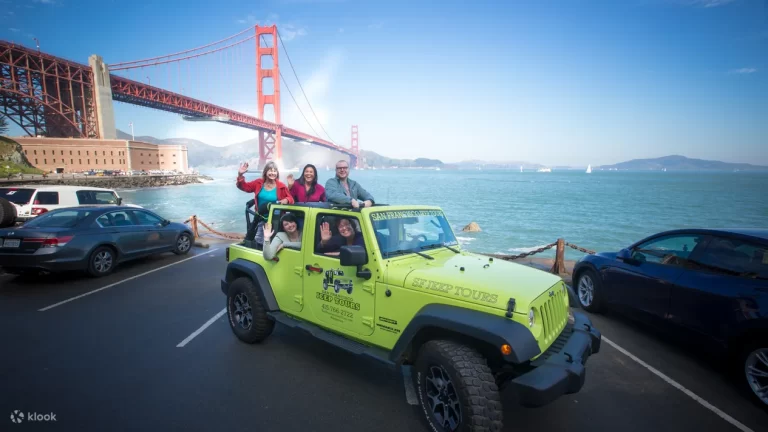
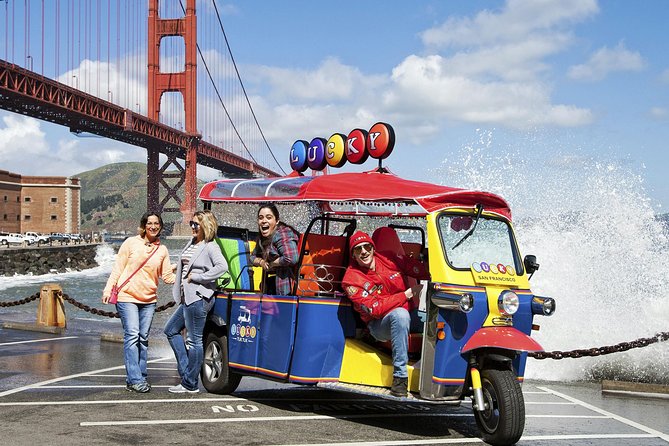
Private San Francisco Jeep Tour → | Private Lucky Tuk Tuk Tour →
Frequently Asked Questions
When did Oracle Park open?
Oracle Park opened as the Giants’ home on April 11, 2000.
What was Oracle Park originally called?
It opened as Pacific Bell Park, later became SBC Park and AT&T Park, and is now Oracle Park.
Why is it called McCovey Cove?
The water beyond right field is named for Hall of Fame Giants first baseman Willie McCovey.
What is a splash hit?
A splash hit is a home run by a Giants player that lands in McCovey Cove on the fly.
Can you visit without a game ticket?
Yes. The exterior plazas, waterfront and McCovey Cove can be enjoyed without attending a game, and tours are offered on selected dates.
What else is nearby?
The Embarcadero, Ferry Building, SoMa, Mission Bay and Bay Bridge waterfront are natural additions.