San Francisco Attraction Guide
Mission District & Murals
The Mission District is one of San Francisco’s richest neighborhoods for public art, Latino history, food and street life. Its murals turn alleys, storefronts, community buildings and walls into an open-air gallery where immigration, politics, identity, neighborhood pride and social justice are painted at full scale.
A Neighborhood With Deep Roots
The Mission takes its name from Mission San Francisco de Asís, founded in 1776. Over time the area became home to successive immigrant communities, including Irish, German and later large Latino populations. By the mid-20th century, the Mission had become one of the most important Latino cultural centers in the city.
Why the Murals Matter
Mission murals are not simply decoration. They document community struggles, cultural pride, anti-war movements, immigration, Indigenous heritage, feminism, labor, housing pressure and neighborhood change. Many were created collaboratively, making the process as important as the finished wall.
Precita Eyes and the Community Mural Tradition
Precita Eyes Muralists was founded in 1977 by Susan and Luis Cervantes with other artists. The organization has played a major role in creating, preserving and interpreting San Francisco murals while teaching generations of young artists. Its work reflects a deep commitment to community collaboration and public storytelling.
Balmy Alley
Balmy Alley is one of the Mission’s most concentrated mural corridors. Murals began appearing there decades ago, and the alley became known for work addressing Central American politics, human rights, neighborhood life and cultural identity. The art changes over time, which is part of the experience.
Clarion Alley
Clarion Alley is another major mural destination, known for bold political and social commentary. Its murals frequently address housing, displacement, race, gender, environmental justice and contemporary activism.
Food and Street Life
A mural walk fits naturally with Mission food culture. Taquerias, bakeries, coffee shops and casual restaurants make it easy to turn an art walk into a half-day neighborhood experience. Valencia Street and 24th Street offer different atmospheres and are worth comparing.
Photography and Respect
Murals are highly photogenic, but they are also part of a living neighborhood. Avoid blocking doors, photographing people without permission or treating residential alleys like private film sets. Read the art instead of only using it as a backdrop.
Why the Mission Became a Mural Center
The Mission’s mural tradition grew from the same forces that shaped mural movements across the Americas: public storytelling, political organizing and the idea that art should live where people live. Chicano and Latino artists used walls to celebrate heritage and make visible issues that were often ignored by mainstream institutions.
Murals became a way to document immigration, Indigenous roots, Central American politics, women’s rights, labor, neighborhood displacement and solidarity movements. Because walls are repainted and buildings change owners, the neighborhood is also a living archive rather than a fixed museum collection.
Balmy Alley vs. Clarion Alley
Balmy Alley is closely associated with Latino and Central American political and cultural themes and has a long community-mural history. Clarion Alley tends to feel more explicitly contemporary and activist, with rapidly changing work that responds to current social issues.
Both deserve time, but they offer different experiences. Visitors who only photograph one wall and leave miss the larger story of how neighborhood murals relate to community identity.
Mission Food as Part of the Visit
A mural walk pairs naturally with the neighborhood’s food culture. Mission-style burritos are the most famous choice, but bakeries, pupuserias, cafés, ice cream shops and restaurants throughout 24th Street and Valencia make it easy to build a route around both art and food.
Common Mistakes to Avoid
- Treating murals as anonymous decoration instead of reading artist credits and context.
- Blocking residential alleys for photo shoots.
- Trying to see the entire Mission from a vehicle.
- Skipping 24th Street and focusing only on Valencia.
- Assuming every mural is permanent; public art changes constantly.
Sample Mission Mural Route
Start around 24th Street, visit Precita Eyes for context, walk Balmy Alley, then explore nearby storefront murals and food stops. Afterward, head north toward Valencia Street and Clarion Alley. This creates a logical route through two different mural environments without zigzagging across the neighborhood.
Mission Murals With Kids
Children often respond well to the scale and color of public art, especially when the visit includes snacks and short walking segments. Parents can turn murals into a scavenger hunt for animals, symbols, historical figures and recurring colors.
Accessibility and Walking
The Mission is relatively flat compared with many San Francisco neighborhoods, though sidewalks and alleys vary. Most mural viewing is from public streets. Visitors with mobility limitations can still see a meaningful selection without climbing hills.
Planning Your Visit
How to Plan Your Visit
Allow 2–3 hours for a meaningful mural walk plus food. Balmy Alley and 24th Street work well together; Clarion Alley pairs naturally with Valencia Street. Use transit or ride-share rather than expecting easy parking, and visit during daylight for the best mural visibility.
Nearby San Francisco Attractions
See It on a Private Tour
Private Sightseeing & Mission District & Murals
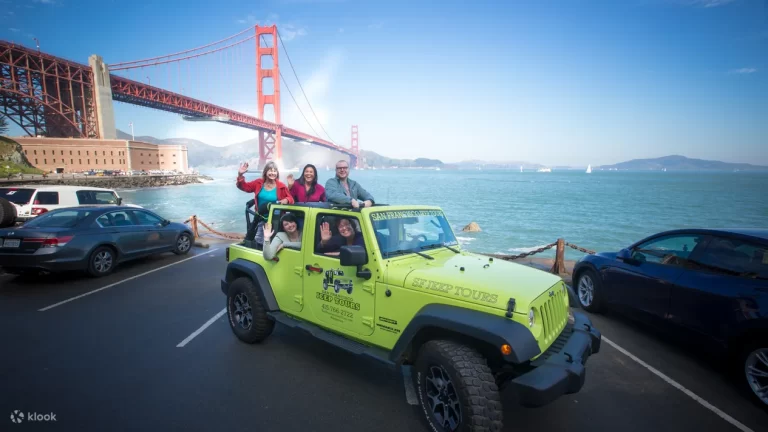
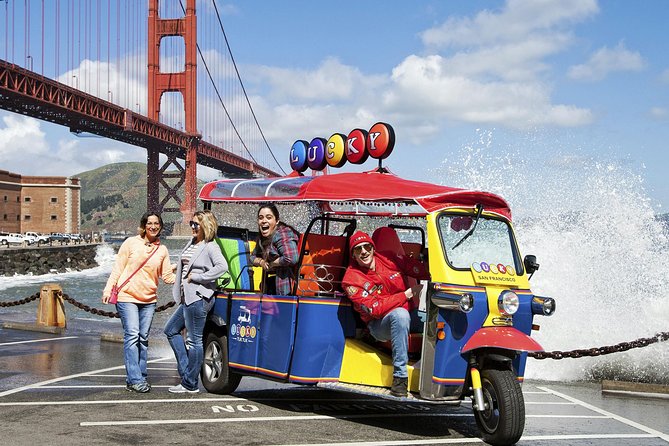
A private sightseeing route can introduce the Mission efficiently before you continue exploring murals on foot. Jeep or Tuk Tuk sightseeing works best as a connector between the Mission, Castro, Painted Ladies and other neighborhoods rather than as a substitute for walking the alleys.
Frequently Asked Questions
Where are the best murals in the Mission District?
Balmy Alley and Clarion Alley are the best-known concentrated mural areas, with additional major works throughout 24th Street, Mission Street and surrounding blocks.
What is Precita Eyes?
Precita Eyes is a community-based mural arts organization founded in 1977 that creates, preserves and interprets public murals.
How long do you need for a Mission mural walk?
Two to three hours gives you time for Balmy Alley, nearby streets and a food stop.
Is the Mission District safe for visitors?
Like any urban neighborhood, conditions vary block by block and by time of day. Visit during active daytime and evening hours, stay aware of surroundings and use normal city precautions.
Can you take photos of the murals?
Yes, generally from public spaces. Be respectful of residents, businesses and people using the alleys.
Keep Exploring San Francisco
Electric Tour Company has been helping visitors explore San Francisco since 2004. Use our attraction guides and planning articles to connect neighborhoods, history, viewpoints and private sightseeing options across the city.
San Francisco Attractions → | Travel Guides → | Travel FAQ →