San Francisco Attraction Guide
Castro District
The Castro is one of the world’s best-known LGBTQ neighborhoods and a landmark in the history of visibility, community organizing and civil rights. Today it remains a living neighborhood of residents, businesses, nightlife, historic sites and cultural institutions—not simply a museum of 1970s gay San Francisco.
How the Castro Became an LGBTQ Center
The Castro was originally a working- and middle-class neighborhood with strong Scandinavian and Irish roots. After World War II and especially in the 1960s and 1970s, LGBTQ residents increasingly moved into the area. Affordable housing, changing demographics and community networks helped create a visible gay neighborhood.
Harvey Milk and Political History
Harvey Milk opened Castro Camera on Castro Street and became one of the neighborhood’s most important political figures. In 1977 he won election to the San Francisco Board of Supervisors, becoming one of the first openly gay elected officials in the United States. His assassination in 1978 turned him into an international symbol of LGBTQ political representation.
The Castro Theatre
The Castro Theatre is one of the neighborhood’s architectural anchors, famous for its large neon sign and movie-palace design. Its changing programming and restoration have been closely watched because the building is so central to the district’s identity.
Rainbow Flags, Crosswalks and Public Memory
Rainbow imagery is everywhere, but many symbols are tied to real political history. The rainbow flag was created in San Francisco by Gilbert Baker and collaborators in 1978. Memorials, sidewalk plaques and public art throughout the neighborhood document activists, artists and community figures.
AIDS Crisis and Community Response
The Castro was profoundly affected by the AIDS epidemic. Residents, healthcare workers, activists and community organizations created support networks while fighting stigma and demanding political action. That history is essential to understanding the neighborhood.
The Castro Today
The district remains a center for LGBTQ businesses, nightlife, events and culture, but rising costs and demographic change have altered the neighborhood. San Francisco formally recognized the Castro LGBTQ Cultural District in 2019 to help preserve and promote its heritage.
Harvey Milk and Castro Camera
Harvey Milk’s camera shop became more than a business. It functioned as a neighborhood meeting place and political organizing center at a time when openly gay political power was still rare in the United States. Milk’s campaigns connected everyday neighborhood concerns with a broader civil-rights movement.
His assassination, alongside Mayor George Moscone, transformed the Castro into a place of mourning and mobilization. Annual commemorations and historical markers continue to connect the neighborhood with that political legacy.
The Rainbow Flag and San Francisco
Gilbert Baker and collaborators created the original rainbow flag in San Francisco in 1978. The symbol spread far beyond the city and became one of the most recognizable emblems of LGBTQ pride worldwide. Seeing rainbow flags in the Castro is therefore not simply decorative—it connects directly to local history.
AIDS History and Community Institutions
The AIDS epidemic devastated the Castro in the 1980s and 1990s. Community groups, medical providers, activists and volunteers responded with care networks, fundraising and political pressure at a time when government response was often inadequate. That history remains visible in memorials, institutions and neighborhood storytelling.
Common Mistakes to Avoid
- Treating the Castro as only a nightlife district.
- Ignoring the AIDS crisis when discussing neighborhood history.
- Photographing residents or nightlife patrons without permission.
- Assuming rainbow imagery is disconnected from political history.
- Skipping nearby Mission and Twin Peaks even though both connect naturally.
Sample Castro Walking Route
Start near Castro and Market streets, see the Castro Theatre and rainbow crosswalks, explore Harvey Milk-related history, then continue toward 18th Street and residential blocks. From there, walk toward Dolores Park and the Mission or connect to Muni for Twin Peaks.
Visiting the Castro With Families
The neighborhood is absolutely visitable with families during the day. Focus on civil-rights history, architecture, the theater and public art. As with any nightlife district, evening atmosphere changes block by block.
Accessibility and Transit
The Castro is one of the easier neighborhoods to reach by public transportation because Muni Metro serves Castro Station. Core blocks are relatively walkable, though nearby hills rise quickly toward Twin Peaks and surrounding residential streets.
Planning Your Visit
How to Plan Your Visit
Allow 1.5–3 hours for a neighborhood walk, longer if you add a museum, meal or evening nightlife. The Castro is easy to reach by Muni Metro and combines naturally with the Mission, Twin Peaks, Dolores Park and Haight-Ashbury.
Nearby San Francisco Attractions
See It on a Private Tour
Private Sightseeing & Castro District
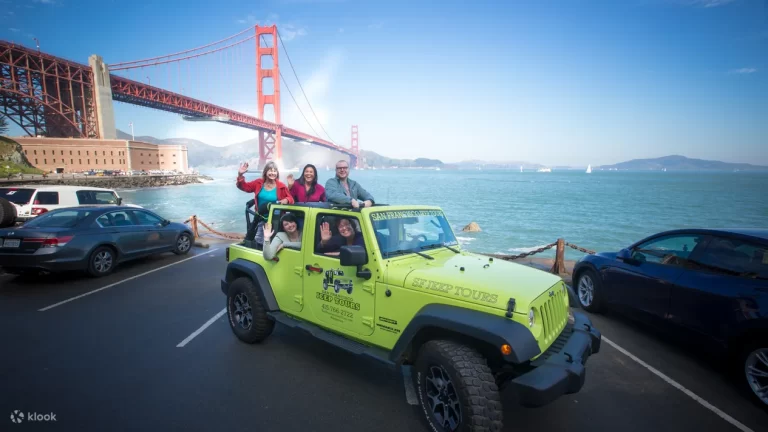
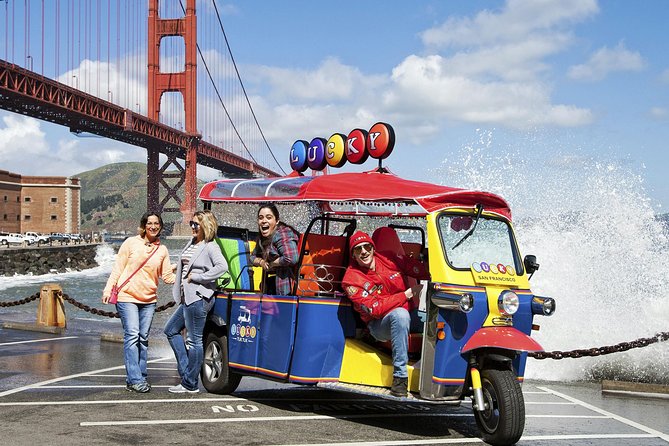
Private neighborhood sightseeing can provide useful context on the Castro’s architecture and civil-rights history before you continue exploring on foot. Tuk Tuk and Jeep routes can connect the Castro with the Mission, Twin Peaks and Painted Ladies.
Frequently Asked Questions
Why is the Castro famous?
It became one of the world’s most visible LGBTQ neighborhoods and a center of gay political organizing, culture and civil-rights history.
What Harvey Milk sites can you see?
The former Castro Camera location and multiple memorial markers in the neighborhood are connected to Milk’s life and activism.
Is the Castro only nightlife?
No. It includes architecture, political history, theaters, cafés, shops, public art and residential streets in addition to bars and clubs.
How long should I spend there?
About 1.5–3 hours for a daytime walk, longer if you stay for food, culture or nightlife.
Is the Castro LGBTQ Cultural District official?
Yes. San Francisco established the Castro LGBTQ Cultural District in 2019.
Keep Exploring San Francisco
Electric Tour Company has been helping visitors explore San Francisco since 2004. Use our attraction guides and planning articles to connect neighborhoods, history, viewpoints and private sightseeing options across the city.
San Francisco Attractions → | Travel Guides → | Travel FAQ →