Beyond San Francisco Guide
Muir Woods National Monument
Muir Woods National Monument protects an extraordinary old-growth coast redwood canyon only a short distance from San Francisco, making it the natural anchor for a Marin day trip.
Explore the complete Beyond San Francisco: Muir Woods, Sausalito & Marin guide →
Why Muir Woods Is One of the Bay Area’s Essential Day Trips
Muir Woods National Monument protects a cool, narrow canyon filled with old-growth coast redwoods. These are the tallest tree species on Earth, and walking beneath them feels completely different from any city attraction. The forest is shaded, quiet and damp even when San Francisco is sunny.
The monument is close enough to visit in half a day from San Francisco, yet the winding roads and reservation system make it feel more remote. That combination—easy distance, ancient forest and strong conservation history—is why Muir Woods remains one of the most popular natural destinations in Northern California.
For travelers who want to combine city sightseeing with nature, Muir Woods is unusually efficient. You can cross the Golden Gate Bridge in the morning, be under the redwoods before lunch and still have time for the Pacific coast, Sausalito or a Marin bridge viewpoint.
How Muir Woods Was Protected
By the early 20th century, much of the Bay Area’s old-growth redwood forest had already been logged. William Kent and his wife Elizabeth purchased land in Redwood Canyon to protect it from development. In 1908, Kent donated 295 acres to the federal government.
President Theodore Roosevelt used the Antiquities Act to establish Muir Woods National Monument. Kent asked that the monument be named for naturalist John Muir rather than for himself. The monument became an early example of private conservation becoming federal public land.
The preservation story matters because Muir Woods is not simply a scenic grove. It is a surviving fragment of a forest ecosystem that once covered a much larger portion of coastal California.
The Coast Redwoods: What You’re Seeing
Coast redwoods thrive in the narrow fog belt along the Northern California coast. They absorb moisture through roots and foliage, allowing them to survive long dry summers. In Muir Woods, the canyon traps cool air and moisture, helping create ideal growing conditions.
Many trees are 600 to 800 years old. Some exceed 1,000 years, and the tallest trees rise more than 250 feet. Their scale can be difficult to understand until you stand at the base and look straight upward through the canopy.
The forest is not only redwoods. Douglas fir, tanoak, bay laurel, ferns, mosses and Redwood Creek create a layered ecosystem. Fallen trunks and decaying wood are also part of the forest cycle, providing habitat and nutrients.
Walking Through Muir Woods
The Main Trail follows Redwood Creek on boardwalk and paved surfaces through the heart of the grove. Short loop options cross bridges and return along the opposite side of the creek, allowing visitors to choose how far they want to walk.
For many first-time visitors, the shorter loops provide enough time beneath the largest trees without turning the visit into a major hike. Longer trails climb out of the canyon and connect into Mount Tamalpais State Park for hikers who want a deeper outdoor day.
The best way to experience the forest is at walking pace. Even a short visit becomes more rewarding when you stop to look upward, listen to the creek and notice how light changes beneath the canopy.
Cathedral Grove and the United Nations Connection
Cathedral Grove is one of the monument’s most atmospheric areas and has long been associated with quiet reflection. In 1945, delegates involved in the founding of the United Nations gathered in the grove to honor President Franklin D. Roosevelt, who had died shortly before the San Francisco conference.
That event created an unusual connection between this quiet redwood canyon and a major moment in international history. The grove later became the first permanent quiet zone in the national park system, reinforcing the idea that silence is part of the experience.
Reservations, Parking, Shuttle & Arrival Planning
Muir Woods cannot be treated as a place where you simply drive up and look for a parking space. The National Park Service requires advance parking reservations for visitors arriving by vehicle and reservations for shuttle riders.
Parking reservations have timed arrival windows, and popular weekends and holidays can sell out. Cell service is unreliable in the canyon, so download reservation confirmations and directions before leaving San Francisco.
The monument is open year-round except during emergency closures, with closing time tied roughly to sunset. Current hours, entrance fees, trail conditions and reservation details should always be checked with the National Park Service before travel.
Private tours are another way to reach the monument without managing the driving and parking process yourself. The forest visit remains self-guided, allowing travelers to move at their own pace once inside.
Weather, Light & What the Forest Feels Like
Muir Woods is usually cooler than San Francisco and much cooler than inland Marin. The dense forest stays shaded, and morning fog or mist can make the redwoods especially atmospheric.
Layers are useful year-round. Light rain often improves the forest experience rather than ruining it—the bark darkens, ferns become vivid and visitor numbers may drop. Because the canyon is shaded, photographers often get softer light than they would in open woodland.
Wildlife and Redwood Creek
Redwood Creek is central to the ecosystem. Coho salmon and steelhead use the watershed, while birds, amphibians and small mammals occupy the forest and surrounding slopes.
The best wildlife experiences are subtle: bird calls, banana slugs, movement in the creek and the changing plant communities as you walk deeper into the canyon. The watershed eventually reaches the Pacific near Muir Beach, creating a direct ecological link between the redwood forest and the coast.
Best Places to Pair With Muir Woods
Muir Woods fits naturally into a larger Marin route. Muir Beach Overlook adds Pacific Ocean scenery only a short drive away. Sausalito adds lunch, shopping and waterfront views. The Marin Headlands and Fort Baker provide completely different Golden Gate Bridge perspectives on the return to San Francisco.
That variety is why Muir Woods works so well as the anchor of a half-day or full-day trip rather than as a stand-alone out-and-back drive. Forest, ocean, bay and bridge can all fit into one compact geography.
Keep Exploring Beyond San Francisco
Build a connected Marin route with redwoods, coast, bridge views and the Sausalito waterfront.
Redwood Facts That Make the Forest Even More Impressive
Coast redwoods are not only tall; they are exceptionally resilient. Their thick bark contains tannins that help resist insects and fire, and the trees can regenerate from burls and root systems after damage. In the right conditions, a redwood can continue growing for many centuries.
The tallest trees in Muir Woods exceed 250 feet, but the monument is not home to the world-record tallest coast redwoods. Those are farther north in California. What makes Muir Woods remarkable is accessibility: ancient redwoods of extraordinary scale survive only a short trip from one of America’s largest urban areas.
The canyon also creates a powerful sense of vertical space. Visitors often focus on individual tree trunks, but the canopy is equally important. Looking straight up reveals how branches, fog and filtered light create a living ceiling high above the trail.
Choosing a Short Muir Woods Walk
You do not need to be a serious hiker to have a meaningful visit. The Main Trail follows the creek through the most accessible part of the forest, and bridge crossings create natural turnaround points. A shorter walk can still include giant redwoods, Cathedral Grove, creek views and enough time to slow down.
Travelers with more time can use connecting trails to climb above the canyon and experience a different forest environment. The transition from the damp redwood floor to brighter hillside vegetation makes longer walks feel more varied than the relatively short map distance suggests.
How Muir Woods Fits Into a San Francisco Vacation
Muir Woods is especially valuable for first-time visitors because it adds a completely different Northern California landscape without requiring an overnight trip. A morning among redwoods can be followed by Sausalito, the Golden Gate Bridge and city sightseeing in the same day.
That makes the monument unusually efficient for travelers with only two or three days in San Francisco. Instead of choosing between “city” and “nature,” you can realistically experience both.
Private Sightseeing Beyond San Francisco
Redwoods, Coast, Sausalito & Marin by Private Jeep
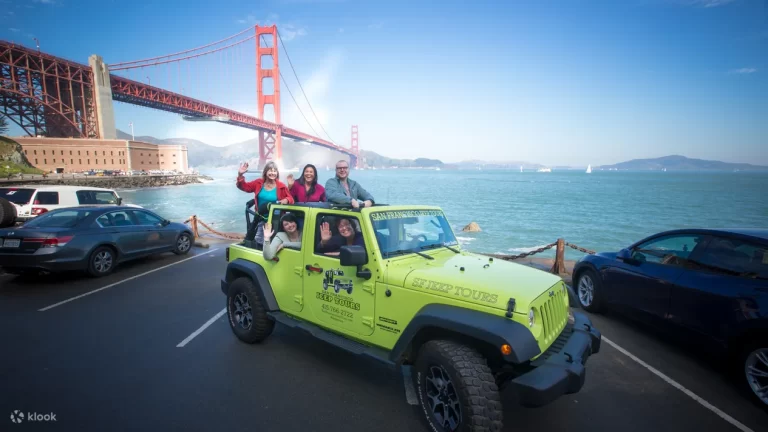
Private Muir Woods tours can connect the Golden Gate Bridge, redwoods, Muir Beach Overlook, Sausalito and Marin viewpoints while your guide handles the driving and timing between stops.
Muir Woods + Sausalito Tour → | Full-Day City + Muir Woods Tour → | Muir Woods Tour for Two →
Frequently Asked Questions
What is Muir Woods National Monument?
Muir Woods is a federally protected old-growth coast redwood forest in Marin County just north of San Francisco.
Do you need a reservation for Muir Woods?
Yes for parking and shuttle access. The National Park Service requires reservations for all vehicles using the parking system and for shuttle riders.
How much time should you spend in Muir Woods?
Most first-time visitors are comfortable with about 90 minutes to two hours, although hikers can spend much longer.
How old are the redwoods in Muir Woods?
Many are several hundred years old, and some trees in the monument are more than 1,000 years old.
Can Muir Woods be combined with Sausalito?
Yes. Muir Woods and Sausalito are one of the most popular pairings from San Francisco and can also be combined with the Golden Gate Bridge, Muir Beach Overlook and Marin Headlands.
Plan More of Your Trip
Connect San Francisco landmarks with the redwoods, bay towns and Pacific scenery just across the Golden Gate Bridge.
San Francisco Attractions → | Beyond San Francisco → | Travel Guides →